
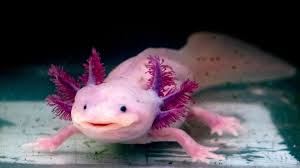
El Axolote
Altar elaborado por Santiago Alberto Silva Bustamante
Este altar se estructura a partir de los siete peldaños clásicos, incorporando en cada nivel simbolismos que fusionan lo prehispánico con lo contemporáneo. Su inspiración principal es Xochimilco, lugar cargado de misticismo y hogar del axolote, su anfibio endémico. Mi intención es recrear el ambiente de sus canales como si se tratara de un inframundo en el que los muertos adoptan la forma de axolotes: coloridos y juguetones, algunos incrédulos y otros en paz, aceptando su presencia en este espacio.
El material principal de los axolotes y de los cráneos que decoran el altar es cinta de aislar. ¿El motivo? Este material evita el contacto directo con sustancias o elementos potencialmente peligrosos, inadecuados o indeseables. Aquí, simboliza la idea —siempre evitada— de la muerte. Por naturaleza, nadie quiere morir, aunque sea el destino de todos.
Tradicionalmente, la muerte se evita en la conversación cotidiana, incluso con gestos supersticiosos como “tocar madera”. En este altar, los cráneos y los axolotes, en sus distintas formas y expresiones, representan esa muerte que siempre nos espera: paciente y sincera, sin el halo de miedo, maldad o tristeza que suele acompañarla, sino como una presencia lógica y colorida.
Con este altar quiero recordar que la muerte da sentido a la vida; un sentido que se expresa en color, diversión, alegría, amistad, belleza y en la larga lista de emociones humanas que dejan huella en nuestro fugaz paso por el mundo terrenal.
Altar made by Santiago Alberto Silva Bustamante
This altar is structured around seven traditional tiers, each incorporating symbolic elements that blend pre-Hispanic and contemporary influences. Its main source of inspiration is Xochimilco, a place steeped in mysticism and home to the axolotl, its endemic amphibian. My intention is to recreate the atmosphere of its canals as if they were an underworld in which the dead take on the form of axolotls: colorful and playful, some skeptical, others at peace, accepting their presence in this realm.
The primary material used to create both the axolotls and the skulls that adorn the altar is electrical tape. Why electrical tape? This material prevents direct contact with substances or objects that might be dangerous, inappropriate, or undesirable. Here, it symbolizes the commonly avoided idea of death. By nature, no one wishes to die, even though it is everyone’s destiny.
In everyday conversation, death is traditionally avoided, often pushed aside with superstitious gestures. On this altar, however, the skulls and axolotls—through their various forms and expressions—represent death patiently waiting for us: sincere and calm, without the aura of fear, malice, or sadness that typically accompanies it, but instead as a logical and colorful presence.
With this altar, I want to remind us that death gives meaning to life; a meaning expressed through color, joy, friendship, beauty, and the long list of human emotions that leave their mark during our fleeting passage through the earthly world.
Altar geschaffen von Santiago Alberto Silva Bustamante
Dieser Altar ist gemäss den sieben klassischen Stufen aufgebaut, wobei auf jeder Ebene Symbole eingefügt sind, die das Präkolumbische mit dem Zeitgenössischen verbinden. Seine Hauptinspiration ist Xochimilco, ein Ort voller Mystik und Heimat des Axolotls, der endemischen Amphibie. Meine Absicht ist es, die Atmosphäre der Kanäle so nachzubilden, als handele es sich um eine Unterwelt, in der die Toten die Form von Axolotl annehmen: farbenfroh und verspielt, manche ungläubig, andere in Frieden, ihre Anwesenheit in diesem Reich akzeptierend.
Das Hauptmaterial, aus dem die Axolotl und die Schädel gefertigt sind, ist Isolierband. Warum? Dieses Material verhindert den direkten Kontakt mit Substanzen oder Elementen, die potenziell gefährlich, unangemessen oder unerwünscht sind. Hier symbolisiert es die stets verdrängte Idee des Todes. Denn von Natur aus möchte niemand sterben, auch wenn es das Schicksal eines jeden ist.
Traditionell wird der Tod im alltäglichen Gespräch vermieden, oftmals begleitet von abergläubischen Gesten wie „auf Holz klopfen“. Auf diesem Altar jedoch stehen die Schädel und Axolotl in ihren verschiedenen Formen und Ausdrucksweisen für jenen Tod, der immer auf uns wartet: geduldig und aufrichtig, ohne diese Aura von Angst, Bosheit oder Traurigkeit, die ihn sonst begleitet, sondern als eine logische und farbenfrohe Präsenz.
Mit diesem Altar möchte ich daran erinnern, dass der Tod dem Leben Sinn verleiht; ein Sinn, der sich in Farben, Freude, Freundschaft, Schönheit und in der langen Liste menschlicher Emotionen ausdrückt, die ihre Spuren auf unserem flüchtigen Weg durch die irdische Welt hinterlassen.